
Cloud computing is an emerging technology that is revolutionizing the way we interact with the web. The ability to hold information anywhere across the world through multiple servers provides tools and resources never available to us before.
But what does this mean for the common web designer? With so many terms and tools to be found everywhere, how do we sort through the mess? In this article, we’ll be going over some groundbreaking ideas about what the future of cloud computing may hold.
We’ll also be taking a look at a few examples of everyday applications currently working within the cloud. Combining the desktop interface with rapidly growing mobile technology, we can get a glimpse into some wondrous possibilities for the future of the Internet.
<
How does Cloud Computing Work?

Before we delve too deep into the changing technology for web designers, we should define some concepts about cloud computing itself.
Currently, the structure of the World Wide Web is held in servers via a client-server response. Physical machines connected throughout the entire world hold digital files for each website on their hard drives.
Once queried by a user’s browser, the server will respond back with whatever information is needed to properly display the website.
When discussing the cloud, we’re talking about a collective set of computers utilizing different resources from each one, in this way creating a very powerful virtual server.
This allows us to transcend the limits of physical servers and hardware. Running applications and software from many separate physical machines means a much easier computation load on each one. This means our web is churning out information faster and quicker than ever before.
This also implies we’re allowing for much more powerful software and tools to be run in a simple web browser, such as Mozilla Firefox or Google Chrome. We’re only limited by our Internet connections and browser capabilities, both of which are changing and growing quicker than ever before!
Practical In-browser Image Editing
Adobe produces the de-facto multimedia software used globally by designers and developers alike. Their software suites contain powerful image editing and vector graphics software with innovative tools and rendering engines. Most users have a high-tier computer just to run the programs efficiently.
However, imagine never needing to process these computations on your own computer. Imagine if it were possible to run software similar to Adobe Photoshop directly in your web browser, where all of the computation would be handled in the cloud.
It seems a bit far-fetched for today’s Internet, but it is a plausible idea. With software companies facing heavy profit losses through piracy, a logical next step would be to simply not license out their software at all. Instead, offer it free through a cloud of computers and charge per use. Although this isn’t a solid business model ready to be launched, this is something web designers may be able to see manifest in the next few years.
You can already see many implementations of smaller apps today. Aviary offers the most complete suite of tools for image editing and vector creation. There are also many smaller tools which allow you to create a striped background on-the-fly. Similarly, favicon.cc is a favicon generator worked completely in-browser.

Now you can’t truly compare these simple applications to the power of running an entire design suite within your browser. But once we start seeing some changes in how cloud computing works, we may not be too far off.
Editing and Processing your Website Updates Worldwide
The old web used simple File Transfer Protocol (FTP) to update files for your website. Currently, the web is mostly controlled by dynamic content, meaning most pages are updated via an administrative backend or by user input.
You wouldn’t say the evolution of cloud computing is going to completely revolutionize the way we edit our files, but it’s interesting to look at the trends. As the mobile market grows and the average developer is running a smartphone in their pocket, apps are going to fight for the chance to be your personal website editor.
Holding the ability to log into your server and edit files from anywhere around the entire world is an enormous step for the Internet. Additionally, being able to carry your device anywhere makes the entire process even more convenient!
Where are we in Present Day Computing?
All of this futuristic technology may seem enticing and great, but you have to keep everything in perspective. Where are we currently in the timeline of cloud computing technology? Where can we expect to see serious growth in the next few years?
Well, currently, the leader in cloud computing is, by far, Google. They actively develop many applications held throughout their own server farms, all with practical testing in Google Labs. Many businesses wouldn’t even be able to run without them.
Accessing GMail and Google Contacts
When creating a Google account, you are automatically signed up for all of their services. This means your username and password are the same for Google Reader, GTalk, and Google Mail, among all their other services.

Gmail is the hottest cloud application to date. To begin with, it’s a revolutionary mail client compared to any others (Yahoo!, MSN). Threaded replies, Ajax auto-updates, and a global contact list are just a few of the key features Google offers.
The real prize comes with their use of cloud computing to store e-mail messages and conversations throughout the world. This allows you to log into any computer and still have access to all of your e-mails and attachments from previous conversations.
Not only this, but existing users of Gmail will know about the allotted server space assigned to each account. Towards the bottom of your Gmail page, you can see a message explaining how much space you’re currently taking up and how much is still free. At the time of writing this article, Google has mine set to just under 7500MB of free space – or just about 7.5GB.

This revolutionizes the way we do business. Never worrying about losing important attachments or information from clients is a great feeling, all thanks to Google’s intelligent use of cloud computing.
Moving Docs and Spreadsheets into the Clouds
The next big step in cloud computing came when Google announced a revolutionary service: Google Docs. This allows anybody with an account to hold their own “folder” in the cloud with online documents, spreadsheets, and presentations.
These can be shared with anybody around the world, and you also have the ability to access them from any computer. This even includes mobile browsing, such as the iPhone or Android devices.
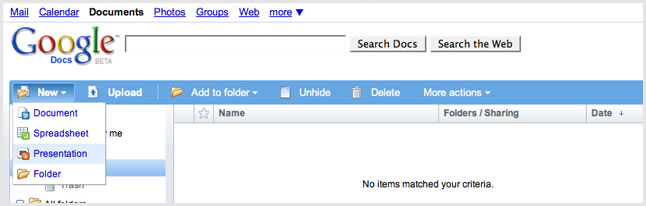
Google has essentially launched a free version of Microsoft Office hosted online and accessible anywhere in the world – talk about groundbreaking technology. The doors are just starting to open for the Google Docs team. There’s so much innovation and potential to be added to this area of the web, and it’s a tell-tale sign showcasing the power of our expanding cloud.
There’s a lot of information out there about the potential for cloud computing. As we move into the ever-changing future, we can see how technology is advancing in our lives every day, and it’s only getting more powerful.
As web designers, we frequently find ourselves caught up in the everyday workings of the Internet. Keeping up on RSS feeds or updating Twitter have turned into simple tasks with ease of access using mobile computing.
How many years can we expect before we see drastic changes in the way we work online? What new technology will drastically change the current web design market? Cloud computing looks very hopeful, but ultimately we’ll just have to wait and see.
Top