Examination of Japanese Website Design Trends

Japan plays host to some very impressive website designers. Their skills in the arts cannot be compared and demonstrate a powerful digital force among Internet readers. Luckily understanding how to read Japanese isn’t required to admire their website graphics and animation effects.

We’ll be looking into a few Japanese website designs which have pushed the limits on conventional development. As a designer it’s a refreshing feeling to work with alternate design concepts and build your own unique ideas off these.

Many of the most popular Japanese websites have been built in Flash, and this is no surprise. Although Flash-based websites do not rank very well in Google (at all) they offer a unique user experience which can’t be found anywhere else.

In fact, Flash offers so much extensible content you may be surprised at just what is possible. Motion backgrounds and animated menu effects are just the tipping point on many Adobe Flash powered websites. Intricate portfolio layouts and detailed characters almost spring to life off the webpage.
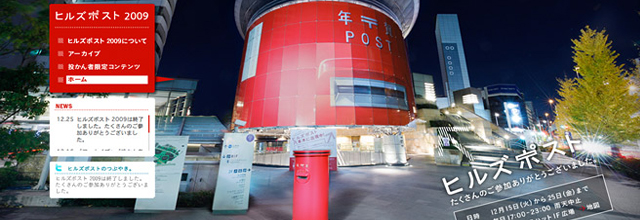
Flash Design Trends

One overlooked misconception is the loading speed of each page. Because the entire website is Flash-based it will require a large amount of bandwidth to transfer and download all of the page content. This frequently leads to very long loading/splash pages which are a huge loss for potential user experience.

Although in the end it’s difficult to provide any judgement on the Flash-based approach. There are also many Japanese websites which are built off HTML5/CSS3 so I’m not categorizing all layouts as Flash-based. However with such a wide range of out-of-box thinking Japan has shown us a new outlook on envisioning the modern day website design.

It seems the Japanese community is well renowned for their work in the digital animation arts. Ranging from television to video games it seems the artistic works meld into the islands’ society and culture.

Frog illustrations

In many new-age web designs we are seeing much more illustrated artwork and digital graphics. Icon designers have also integrated an enormous amount of hand-drawn effects into their works. Japanese website designs have become much more branded by the likes of mascots, illustrated vectors, and small page icons.

Similarly artists who offer these graphics showcase their work on many places throughout the web. Twitter backgrounds and Deviant Art accounts are full of some amazing illustrations from past designs.

This is a common trend amongst web designers and has been growing rapidly. Many Japanese companies which involve their products in the entertainment sector have gone above and beyond to create a dynamic user interface to match their website.
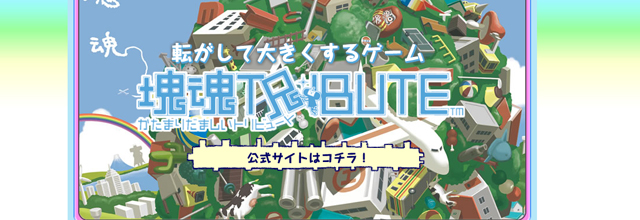
Katamari Damacy official

Many of the websites coming to mind include innovative virtual worlds from video games. Katamari Damacy and Kingdom Hearts II specifically stand out as offering a very powerful user interface presence. The striking similarity between menu links in-game and on the webpages are resounding.

This can be seen not only for these games, but countless other series. The most common approach of course is an entire Flash-based website constructed through ActionScript events. Even so, other Japanese graphics artists are creating unique UI effects outside of just the video game industry.

It’s not too often we’ll see images of physical reality built into the most popular websites of today. This is quite the contrary of many popular Japanese artists which in fact specialize in building outstanding modern-day layouts.

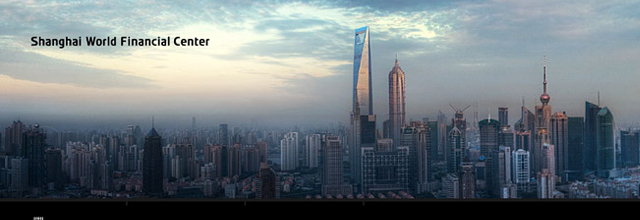
These include shots of arial birds-eye-view photos from cities and taller buildings. Many times the background or Flash animation on a page will include common everyday natural elements such as cats, trees, cars, and entire human cities. There are neat user effects applied to create a natural mood (e.g. website colors changing from day to night).

Shanghai Financial

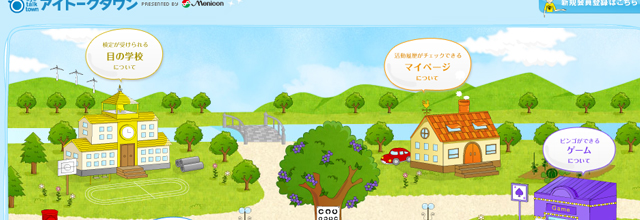
These graphics of buildings and people can sometimes even be built into the website itself. The varied degree of creativity from Japan shows even entire websites using a small land mass as navigation for the entire website. Pages can be accessed via buildings, lawn signs, even blimps flying atop the page heading!

Below is a small collection of Japanese website designs. These include mostly Flash pages with animation effects and custom UI elements. If you’re looking for design inspiration this may be one of the most creative and “out-there” galleries.

The designs are from a selection of varied topics and niches from a handful of time periods. If you have other suggestions for similar websites feel free to share them in the comments below.
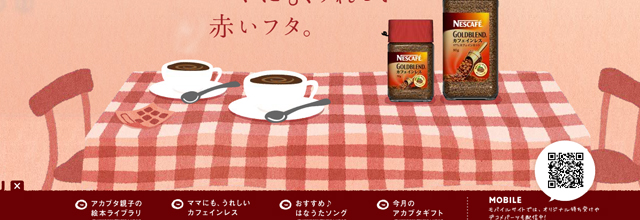
Nestle

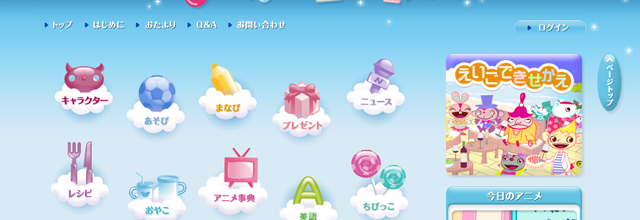
Eye Talk Town

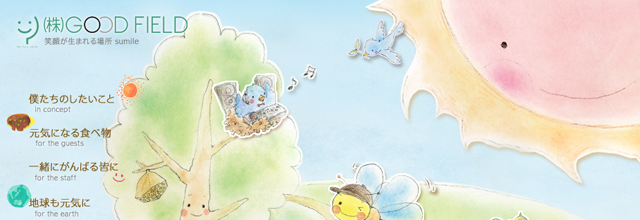
Egao Saku

Hiroto Rakusho

Love Happy

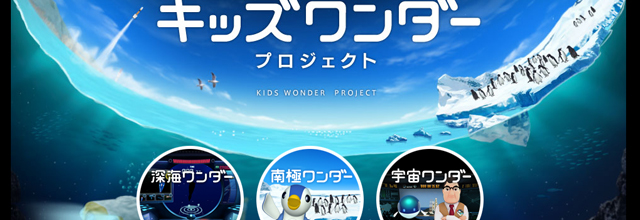
kids wonder project

Naruhodo Agent

You might also like…

50 Examples of Large Photography Backgrounds within Web Design →
50 Examples of Creative 404 – Page Not Found Pages →
A Showcase of 50 Amazing Personal Blog Web Designs →
50 Creative Examples of Illustrations in Web Design →
50 Professional Web Design Agency Web Sites →
50 Bright and Vibrant Web Designs – Color Inspiration →
50 Impressive Magazine and Newspaper Styled Web Designs →
50 Inspirational and Fresh Minimally Designed Web Sites →
50 Creative and Inspirational Personal Portfolio Websites →
50 Inspiring Web Application and Service Web Site Designs →
50 Examples of Effective Uses of Typography Within Web Design →
50 Beautifully Crafted Corporate Ecommerce Web Designs →
50 Creative Examples of Vintage and Retro in Web Design →

Author: (94 Posts)

Jake Rocheleau is a passionate web designer and social media entrepreneur. He is frequently researching the latest trends in digital design and new-age Internet ideas. He's also an advocate for the social media revolution - follow his updates on Twitter @jakerocheleau.

  • rob

    Why each time I end up in a post featuring Flash sites they all complain about the same? not google friendly, long wait loadings…

    Regarding to splash/preloading screens that´s nothing to do with the Flash Platform, it is all about how the programmer/designer build the application and who´s the target audience the page is intended for.

    On the other hand, there´s something called SWFObject which allows flash page to embed HTML content to be SEO friendly, it´s been even included as default in CS5 you know…

    Anyway, talking about Japanese trends you may want to check this page:

    http://kashiwasato.com/#

    Greets.

    • http://zhangyingying.wordpress.com/ Yingying

      http://kashiwasato.com/# is definitely a cool website! However, since it is flash-based, I think some mobile may not support it very well. I do like it though!

  • http://www.designioustimes.com/ Adriana

    Hey Jake, this is such a great article subject! I think that we all should really explore more cultures and their web designs, graphic designs and we might find some interesting stuff. Thanks for the post, it’s great!

  • http://www.miwacle.com Carlos

    An interesting aspect of web design in Japan is the ‘web producer’ position. At my former company, there would be a sales person that got the client. Then the web producer would decide what the client wanted, handing it off to a designer. Who would then hand it off to a coder. That’s best as I can explain it. i.e. You are a coder, that’s all you do.

    Another interesting aspect is the ‘client competition’. A client would ask a dozen or so companies to come in. They would outline their needs. The clients would propose a design some time later. The client would pick the best design. Obviously using elements from other designs. It was total B.S. But designer did it because the contract fee was soooo high.

    Web hosting while coming down in price was very expensive as I recall.

    This article isn’t bad, but you missed out on so much. For example, many Japanese clients want an illustration type feeling. They didn’t like realistic designs. I also found that they weren’t keen on gradations.

    The biggest issue though is fonts. A Japanese font can be 3.5MB and outside of serif and sans-serif default fonts, there’s no guarantee that the user will have the font you use, while in English, you can probably confident of about a dozen of installed fonts.

    You could have also talked about how most corporate sites insist on having a company structure chart and ‘aisatsu’ page (welcome page, usually from president)

    cheers

  • Steve

    That’s fascinating Carlos.

    On a side note, I wonder if the sizes and loading times are simply not relevant because Japan’s domestic internet speed on average is, an insane, 61mbps http://www.worldpoliticsreview.com/Images/commentarynews/broadbandspeedchart.jpg

  • Pingback: Examination of Japanese Website Design Trends | Speckyboy Design … | GENERAL INTEREST BLOG

  • Pingback: Examination of Japanese Website Design Trends | Speckyboy Design … | Simon Bugler: Freelance Web Designer

  • http://smashingwall.com Akhtar

    This is Great, I can’t wait to show my daughters they love Japanese art and will get a hug kick out of your article. Impressive! Peace:)

  • Pingback: Examination of Japanese Website Design Trends | Speckyboy Design … « Variety blog

  • alex

    Great article!

    Check out this web gallery. It has a lot of very good Japanese flashsites.

    bm.straightline.jp/

    My favorite next to the fwa.

    cheers

  • alex

    Great Article!

    Check out this webgallery for more japoneses style flash websites.

    its my 2nd fav next to fwa

    http://bm.straightline.jp/

    cheers

  • http://www.snogglenews.com/ Snoggle News

    This is a fascinating read, enjoy looking into Japanese trends. Web design is a growing field and it is certainly showing some great ideas. Trends from this series are easily applicable to the realm of applications..

    Not to mention the fall in Flash has been going on for a few years now. These websites will see enhancements as Adobe increases its working team.

  • Pingback: Would this filter on this website filter out salt? | Registry Fix |Porn Blocker

  • http://iamautocomplete.com angelee

    Honestly, I’m less attracted to some Japanese sites because I don’t understand the language. However, the sites listed above look very cool especially the Nestle.

  • Pingback: Examination of Japanese Website Design Trends | EmptyLemon Blog

  • Pingback: Páginas web hechas en Japón | portafolio blog

  • Pingback: 2011 Web Design Trends - Vol.2 - Japan | Pixel Deep

  • http://www.buygenericmed.com/generic-clomid.html Generic Clomid

    Good to see that Japanese users like animations in the website designs, actually i was looking for some ideas for my Japan website nad reading this provides me some real info on how to make the websites for Japan.