
Working solo is one of the benefits of being a freelance web designer. You don’t have a boss breathing down your neck or tracking every mouse click. That’s one reason why many of us choose this career path.
On the other hand, no one has your back when things go wrong. There are no team members to ensure that you’re treated fairly or paid for your work. Raise your hand if a client ever skipped town without paying their bill. Yes, we see you!
This also extends to mundane tasks, such as onboarding to your client’s workflow. For example, working with an agency client and being dropped in the middle of an unfamiliar website. You don’t always get the benefit of a guided tour on how everything works.
It’s easy to become overwhelmed, and remaining silent only exacerbates the situation. The result is more stress and less money in your bank account. That’s not what freelancing is supposed to be about.
The reality is that freelancers are mostly on their own when it comes to advocacy. Here are some tips for standing up for yourself when the going gets tough.
Be Clear About Your Policies From the Beginning
The best way to avoid being taken advantage of is by being assertive from the start of your client relationships. Setting the appropriate boundaries lets clients know what’s important to you. The desired result is a mutual understanding of what is expected.
What sorts of boundaries should you outline? You’ll find plenty of small (and not-so-small) items to communicate, including:
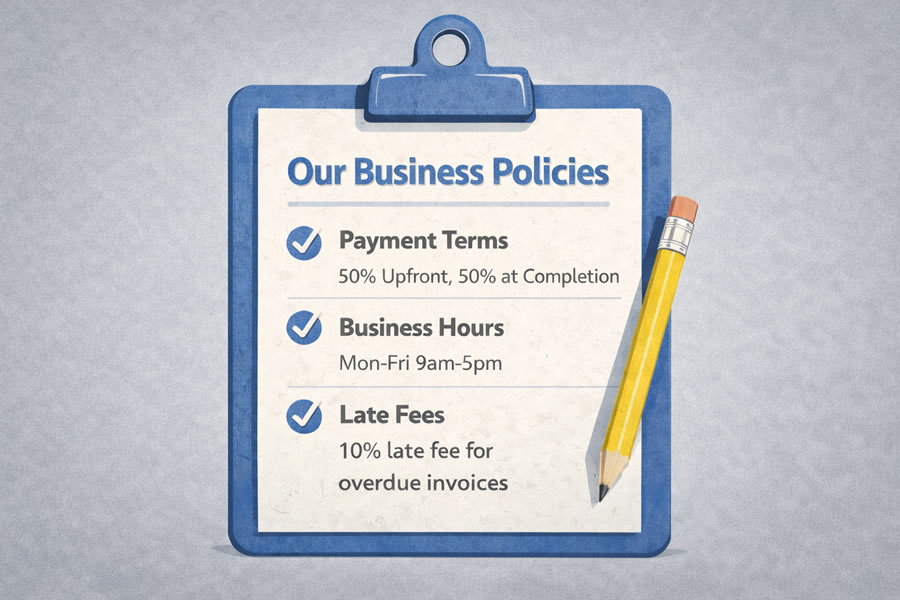
- Payment policies: This includes when and how you want to be paid for projects. Also, be transparent about any transaction or late fees that you charge.
- Lead time for project assets: Some clients have a habit of providing project assets the day before launch. One way to avoid such chaos is to communicate the amount of lead time you require. You may also want to note that the project could be delayed if materials aren’t delivered on time.
- Business hours: Do you enjoy working 24/7? No, we don’t either. Share your business hours with clients and only respond to messages during this time. Not everything is an emergency.
- Things that cost extra: Each project has a scope to stay within. Ensure that clients understand that items outside the scope will incur additional costs.
- Your responsibilities: Modern web projects often require working with third-party providers. Think web hosting, content delivery networks, and plugin developers. Inform clients of what you can and can’t do when there’s a problem.
These items can be placed in contracts or even “welcome” guides. Clear documentation can make a difference. The more clients know ahead of time, the better the chance they’ll work within your policies.
Speak up When Necessary
Even the most detailed contracts can’t cover every possible problem. The truth is that various issues can arise when working with clients.
Perhaps you don’t have the necessary resources to perform your job. Or you’re receiving conflicting instructions from stakeholders. You could also be asked to perform tasks outside of your expertise or service offerings.
Such situations can be uncomfortable and unproductive. However, the more timid among us may try to simply “get along” and move on. This is a recipe for disaster. You’ll eventually need to get things off your chest.
Why wait until then? Nip these issues in the bud by speaking up. Bring any concerns to your client’s attention. Explain what’s wrong and/or what you need. Offer them actionable advice to resolve the issue.
The mere act of sharing your feelings will benefit your mental health. You’ll feel like the world has been lifted off your shoulders. It also keeps your focus on the task at hand, rather than the stress and anxiety.
We’d like to believe that most clients will take your concerns seriously. We’re all human and don’t always realize the nature of what’s happening. Most will want to make things right.
If they don’t listen, it’s a sign they’re not the right fit. All information is helpful.
Freelancers Must Look Out for Themselves
Freelance web designers face a special set of challenges, and there’s no one to help us. If you’re not careful, you could find yourself in a series of bad client relationships. From there, it’s an uphill climb to keeping your sanity.
Seriously, it can take years to untangle yourself from such messes. Meanwhile, you’ll struggle to get by and miss out on better gigs.
That’s why self-advocacy is so important. We must set our own boundaries to prevent a rogue client from making life miserable. We must also maintain an open line of communication. That helps to prevent small problems from becoming big ones.
Sure, it sounds like a heavy burden. On the bright side, it’s all in our hands. The key is finding the courage and resolve to look out for ourselves.
Top