
Booking projects is a challenge for every new WordPress agency. So, you often take what you can get. That includes low-revenue and otherwise unappealing gigs. Everyone has to start somewhere, right?
That tendency fades as you build your business. You move on to the bigger fish in the pond in an effort to make more money and expand your reach. Any small fish left in your portfolio could potentially hold you back from leveling up.
Even so, you’ll still hear from potential clients who want you to take on their small project. Or you might be asked to undercut a competitor’s price on a large WordPress site. Either way, it may lead to mixed feelings. How should you respond?
Established agencies don’t need to take every project. It’s worth considering where you draw the line, however. How small is too small? Does a lower upfront cost mean there’s no potential for future profit? And, is it ever worth taking on a large project for a bargain price?
These are important questions to ask as your business evolves. Let’s explore the pros and cons of “going low”. We’ll also share some tips for determining the minimum requirements for accepting a project.
Does the Project Offer Any Additional Benefits?
Money is an important part of any project (we all need to keep the lights on and the AI tokens flowing). However, there are other potential benefits. That may be enough to make a small or heavily-discounted project worthwhile.
For example, consider working with a charity or other non-profit organization. These clients are often bootstrapped and have a limited budget. As such, the project is more about doing good than making a big profit. This is both a source of pride and something you can use in your marketing efforts.
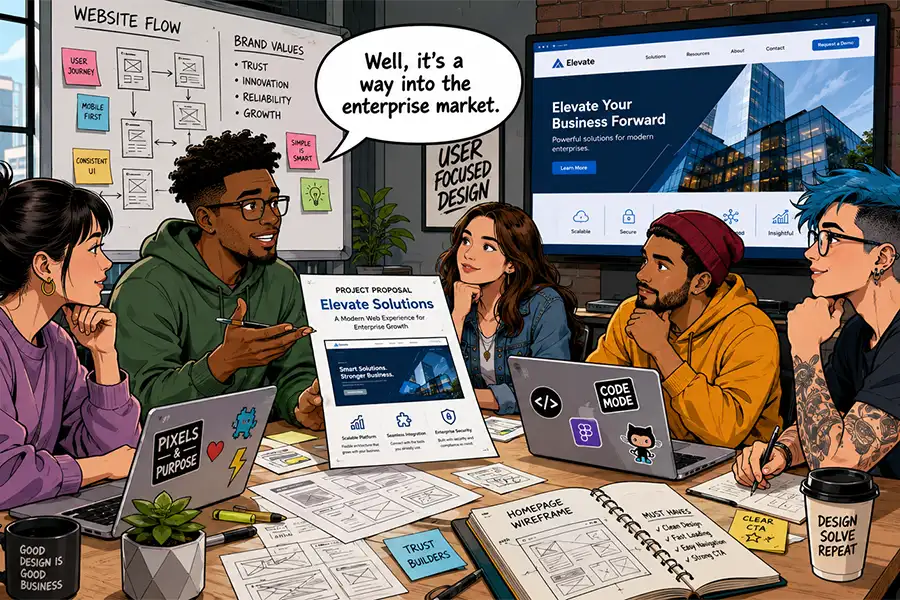
Likewise, some projects can open the door to a specific industry or clientele level. If you don’t have experience in the enterprise WordPress space, offering a discount could increase your chances of booking the gig. You exchange a bit of money for prestige in your portfolio. Proving your worth to one such client could make others take notice.
This won’t be the case for every project. There will always be clients looking to cut costs however they can. Others won’t have the resources to work with your agency. Still, some opportunities are beneficial beyond money.
Consider the Potential for Future Profit
Just because a project starts with a smaller profit doesn’t mean it has to stay that way. There is usually a path to increasing your revenue in the long term.
Maintenance packages are a great vehicle for keeping clients in the loop while creating dependable income. WordPress requires routine software updates, security monitoring, and hosting. Clients may also want to add new features as their website evolves. These are all things you can and should charge for.
Such recurring revenue is important for every agency and freelancer. New projects are harder to come by, and budget-conscious clients may be wary of spending big on redesigns. Maintenance and related subscription services improve your business’s sustainability.
This strategy also mirrors what we see in other industries. Clients are acquired with a lower starting cost, while the “real” money comes in the form of future services.
Book enough of these arrangements and you won’t be as susceptible to the boom/bust cycle of new design and development projects. Note that this is part of a bigger plan, rather than something to do on a one-off basis. So, think about how it fits into your business before making a decision.

Find the Price Point of Diminishing Returns
Every agency should have a minimum project price. This helps you avoid losing money and gives you more room to focus on your goals. But how do you determine that number?
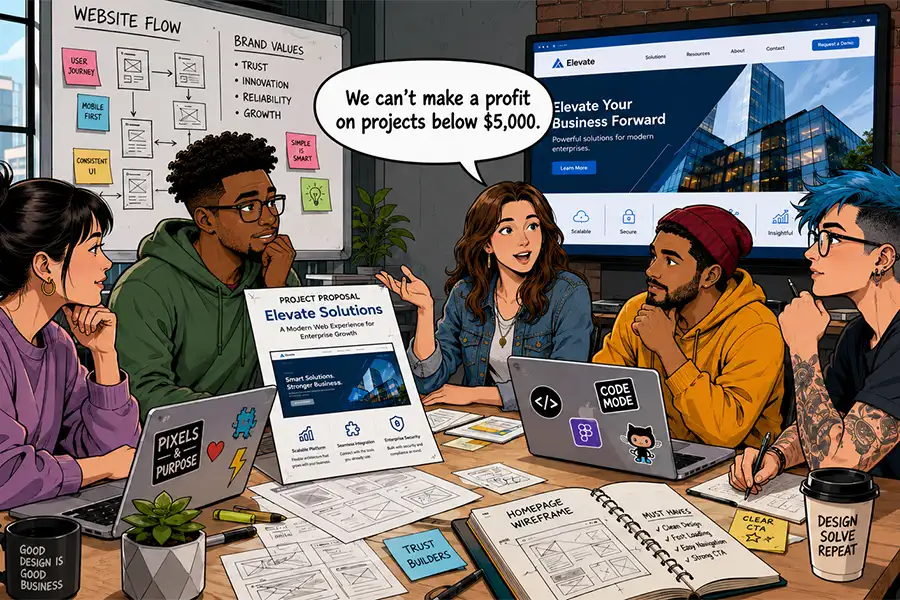
You could come up with an arbitrary amount. Some agencies won’t touch a project for under $5,000, for example. It sounds reasonable. However, you still risk losing money on the proposition. It’s better to study your workflow and resources before setting a minimum.
The first consideration is the cost of taking a project from start to finish. Time spent on design and development is a part of the equation. But don’t forget about client communication, the revision process, and testing. Commercial theme and plugin licenses can also be a factor.
If your agency has employees, think about who will do the work. Their salary counts toward the ultimate cost. You might also consider where else they could be spending their time. For instance, will a small project take them away from a bigger one?
The same thing applies to solo freelancers. Lesser projects don’t always mean less work. They can overwhelm your calendar and take time away from your top clients.
Don’t leave it to guesswork! Set a minimum price based on facts. The result should be a profit margin you’re comfortable with.
Accept WordPress Projects That Are Worth Your While
Experience will help you determine which projects to accept and which ones to turn down. Yet, there’s value in digging deeper before deciding. There could be more to the story than you think.
Some projects offer long-term benefits that are easy to miss. You may find opportunities to stabilize your agency via recurring revenue. They might also be a gateway to establishing a new niche. In some cases, it’s worth taking a leap of faith.
Understanding the time and resources involved is key to the decision-making process. This will put you in a position to say “yes” or “no” with confidence. You’re also less likely to experience regret after the decision!
Take time to figure out what makes the most sense for your business. That will free you to move onward and upward.
Related Topics
Top